Spring Septic System Checklist: Prevent Flooding & Backups
As winter fades and temperatures begin to rise, your septic system faces one of its most challenging times of the year. Spring brings melting snow, heavy rain, and saturated soil — all of which can put extra strain on your system.
Without proper preparation, these conditions can lead to slow drains, backups, or even septic system failure. The good news? A little preventative maintenance goes a long way.
Use this spring septic system checklist to protect your home and avoid costly repairs.
Why Spring Is Tough on Septic Systems
During winter, the ground is often frozen solid, limiting how water moves through the soil. When spring arrives, that frozen ground begins to thaw while rainwater and snowmelt soak the soil at the same time.
This creates oversaturated conditions, making it harder for your drain field to properly absorb and filter wastewater. When that happens, your septic system can back up into your home or cause pooling water in your yard.
That’s why spring septic maintenance is so important — it helps your system handle the seasonal transition safely.
1. Schedule a Spring Septic Inspection
One of the best things you can do is start the season with a professional inspection. Winter can be tough on your system, especially if temperatures dropped significantly or snow cover was inconsistent.
A septic inspection can identify:
- Cracks or damage caused by freezing
- Early signs of drain field saturation
- Potential blockages or buildup
Learn more about our full septic services
Catching issues early is key to preventing bigger (and more expensive) problems later in the season.
2. Pump Your Septic Tank if Needed
Spring is one of the most common times for septic problems — especially if your tank is already close to full.
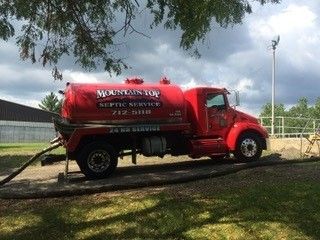
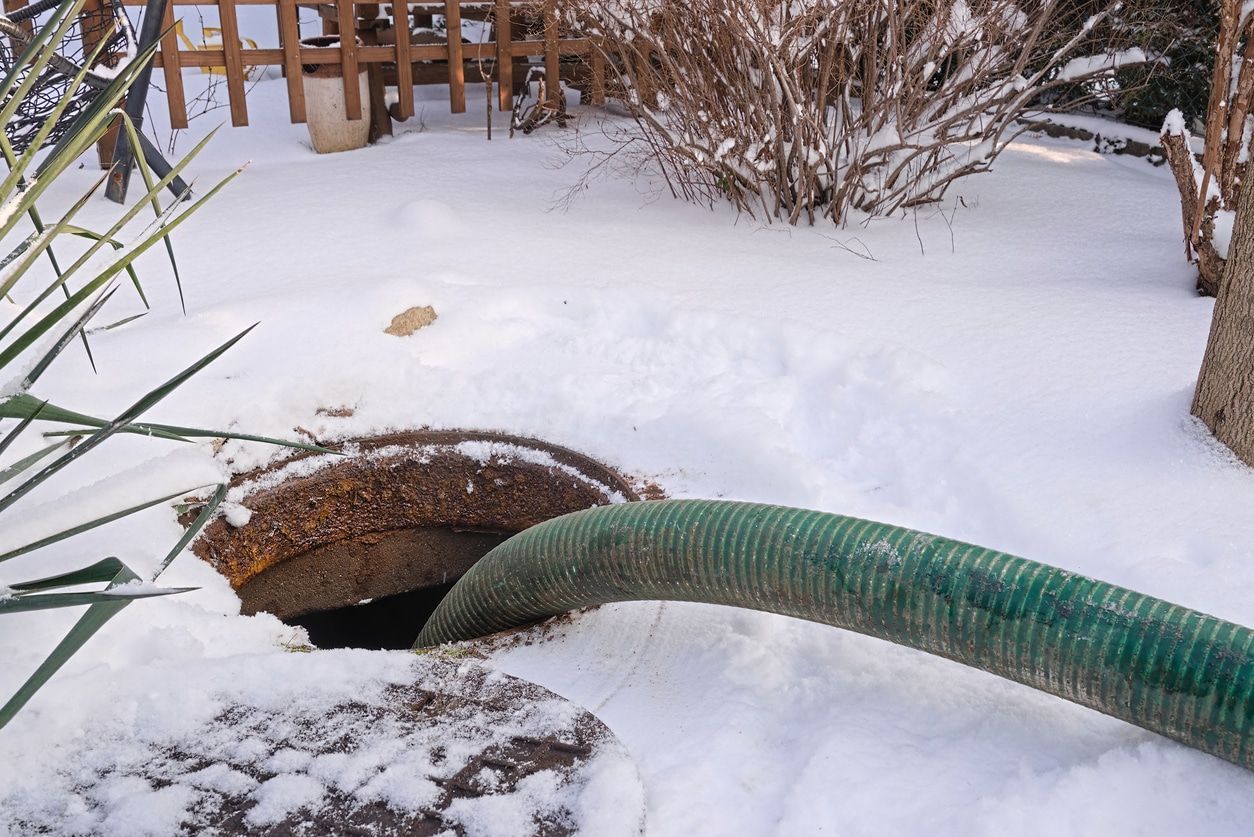
If it’s been 3–5 years since your last pumping, or if your household has higher water usage, now is the time to schedule service. A full tank combined with saturated ground is a recipe for backups.
Learn More and Schedule service on our
Septic Pumping
page
Routine pumping is one of the most effective ways to prevent spring septic issues.
3. Manage Water Usage During Wet Weather
When the ground is already saturated, your septic system has less capacity to handle excess water. That means even normal household usage can become a problem.
To reduce strain on your system:
- Spread out laundry loads over several days
- Fix leaking faucets and running toilets
- Avoid long showers during periods of heavy rain
Small adjustments can make a big difference in preventing septic flooding.
4. Redirect Rainwater Away from Your System
Excess water is one of the biggest threats to your septic system in spring. If rainwater is flowing toward your tank or drain field, it can quickly overwhelm the system.
Make sure to:
- Direct gutters and downspouts away from the septic area
- Check for low spots where water pools
- Adjust landscaping if necessary to improve drainage
Proper water management is a critical step in septic flooding prevention.
5. Protect Your Drain Field
Your drain field needs healthy, uncompacted soil to function properly. In the spring, the ground is especially soft, making it more vulnerable to damage.
Avoid:
- Driving or parking on the drain field
- Using heavy equipment in that area
- Installing temporary structures or storage
Even minor soil compaction can reduce your system’s ability to drain properly.
6. Watch for Warning Signs
Spring is when many septic issues first become noticeable. Pay close attention to any changes in how your system behaves.
Common warning signs include:
- Slow drains or gurgling sounds
- Sewage odors inside or outside
- Standing water in your yard
- Toilets backing up
If you notice any of these issues, don’t wait — addressing them early can prevent major damage.
7. Plan Ahead for the Busy Season
Spring often leads into a busy summer season with more guests, outdoor activities, and increased water usage. Preparing your septic system now ensures it can handle the added demand later.
Whether you’re hosting gatherings or simply using more water, having a properly maintained system gives you peace of mind.
Protect Your Septic System This Spring
Spring weather can be unpredictable, but your septic system doesn’t have to be. By following this checklist and staying proactive, you can prevent backups, protect your drain field, and extend the life of your system.
If you’re unsure about your system’s condition or it’s been a while since your last service, now is the time to act.
Contact Mountain Top Septic today to schedule an inspection or pumping service.
A little preparation now can save you from major headaches later — and keep your septic system running smoothly all season long.