When to Have Your Septic Tank Pumped

June 28, 2020

How Often It Is Necessary To Have Your Septic Tank Pumped?
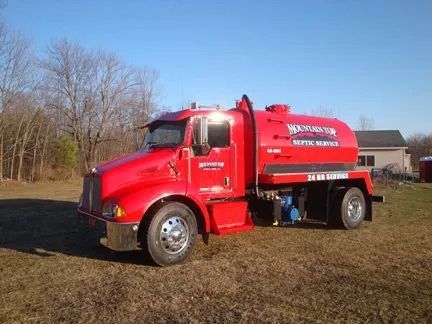
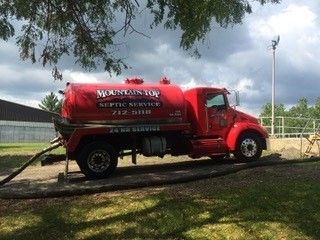
septic truck

After a trip to the bathroom, that last thing we think about is where our water and waste go. Your septic acts as your personal wastewater treatment plant and, eventually, it does need to be emptied out. However, it can be hard to gauge exactly when you should have your septic tank pumped


There are four main factors to consider when it comes to septic tank pumping needs: the size of your home, the wastewater produced, volume of solids, and the size of the septic tank. As a general rule of thumb, it’s recommended to have your septic tank pumped every three to five years. Of course, this may vary depending on the factors above. If you are not sure when you last had your septic pumped, it’s a good idea to call Mountain Top Portable Toilets and Septic Service. We can provide full pumping and repair services. 


As mentioned, it can sometimes be tricky to determine if you need your septic pumped or not. However, there are some immediate telltale signs that indicate you need a septic pumping immediately. 


Toilet Troubles


Your toilet is connected to your septic tank. So, it is a direct link to identifying issues. If a septic tank is full, you may experience frequent clogged toilets and an unpleasant odor emanating from the toilet itself. In severe situations, an overflow may occur. If you experience issues with your toilet to this degree, call Mountain Top Portable Toilets and Septic Service.


Standing Water


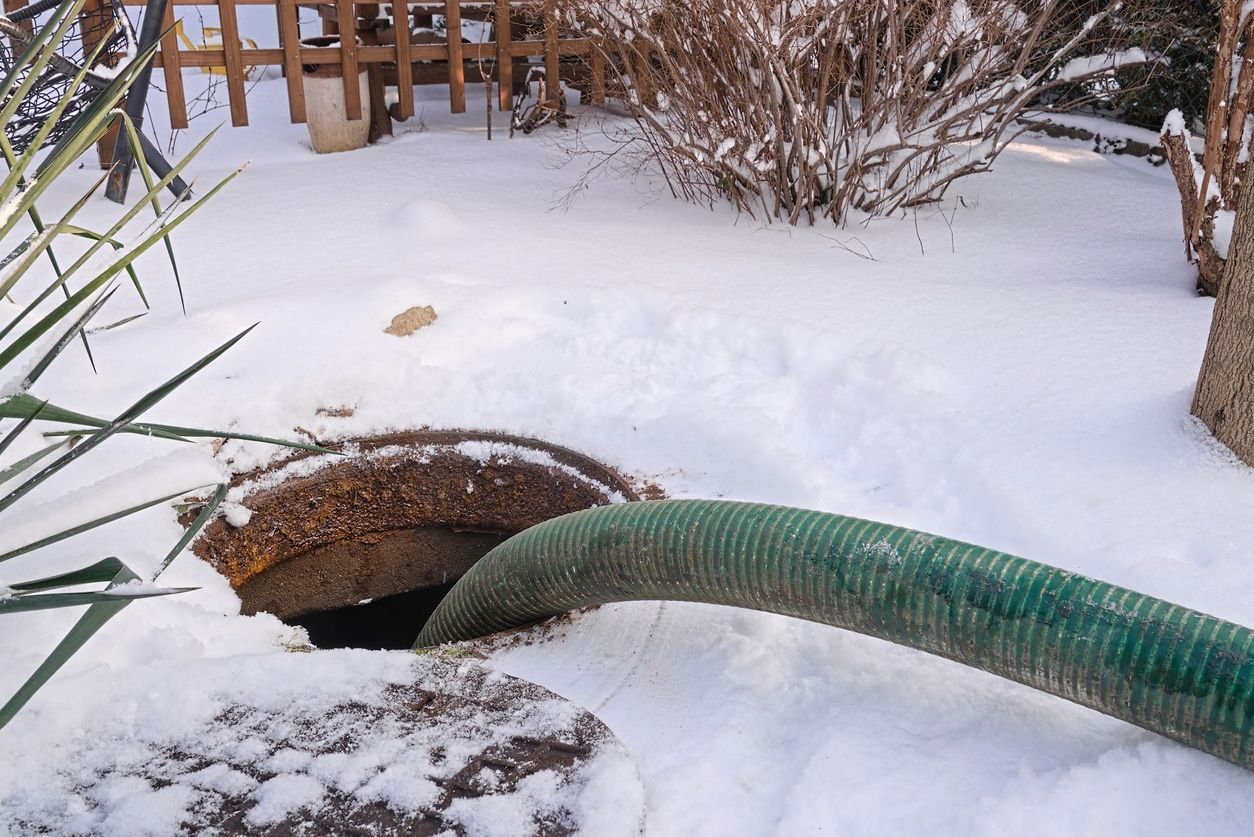
Standing water in your lawn indicates that your septic is beyond full and needs immediate assistance from a professional company like Mountain Top Portable Toilets and Septic Service. This standing water and smell can harm your property and be an issue with neighbors. Get this taken care of right away by calling our team. 


Mountain Top Portable Toilets and Septic Service offers septic repairs, pumping, and other essential services for Albany, Averill Park, Chatham, and Troy, NY. Don’t hesitate to give us a call today to get your septic issues sorted. 
By proadAccountId-347295 November 5, 2025
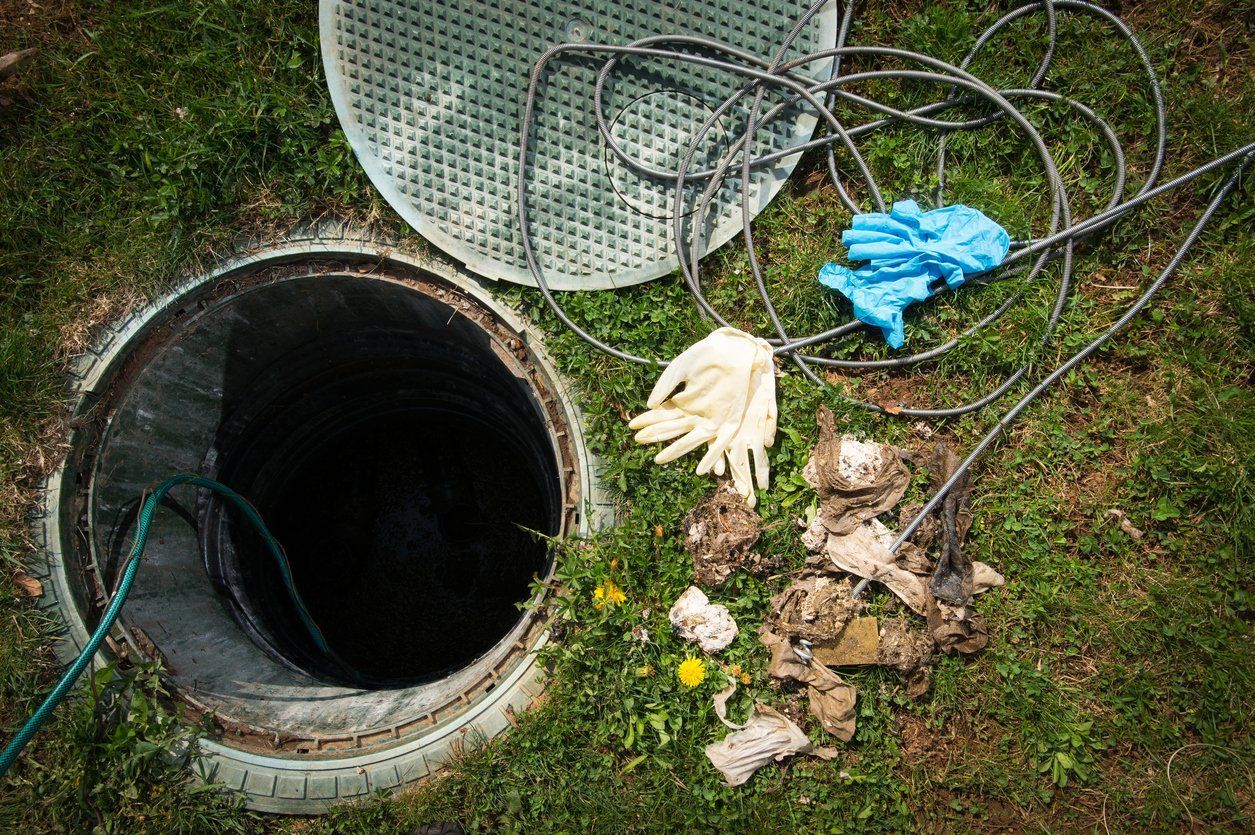
Winter in the Capital Region brings snow, ice, and freezing ground — and for many homeowners, those conditions create unique challenges for septic systems. At Mountain Top, we’ve seen how a system that’s not prepared can lead to headaches, damage, and disruption. That’s why getting your septic system ready before the first hard freeze is so important. A little preparation now means fewer surprises when the cold really sets in. Why Winterization Matters When your pipes, tank or drain field freeze or become sluggish, wastewater can back up — and when that happens, it’s messy, inconvenient and expensive. The buried components of your septic system may seem “out of sight, out of mind” — but in winter, they’re under real stress. As our team at Mountain Top often says: an ounce of prevention today beats a ton of repair bills tomorrow. A properly maintained septic system protects not only your home and wallet, but the environment around it too. Steps to Winterize Your Septic System Here’s a practical winter-prep checklist — ideal for homeowners throughout Albany County, Rensselaer County and the surrounding areas served by Mountain Top. Pumping Before Winter Before the deep cold sets in, schedule a pumping of your septic tank to remove excess solids. This reduces the risk of overflow or system failure during frozen months. Insulate the System After pumping, cover the tank lid, riser and drain-field area with 8–12 inches of mulch, straw or grass clippings. This natural insulation helps keep ground around your system from freezing solid. Protect the Pipes Avoid driving vehicles, snow-mobiles or heavy equipment over your drain-field or septic lines. Soil compaction and pipe damage increase the risk of cracking or freezing. As Mountain Top serves both residential and light commercial sites, this is especially important near driveways or work zones. Divert Runoff Make sure gutters, downspouts and site grading direct water away from the septic tank and drain field. Saturated soil freezes faster and can overload the system. Check for Leaks Even a small faucet or toilet leak adds continuous water flow, which your system must treat. In winter, that extra load can trigger backups or frozen effluent. Mountain Top’s FAQ page points out how routine use impacts system health. Common Mistakes to Avoid Waiting until it’s already frozen — Once the ground is frozen over, options become limited and costly. Using too many chemicals or “antifreeze” treatments — Many additives claim to help but can actually harm the natural bacteria your system depends on. Mountain Top warns about this. Ignoring warning signs — Slow drains, gurgling, odd odors or wetter patches above your drain field are signals that action is needed. Additional Cold-Weather Tips Spread water use throughout the day — Don’t do all your laundry, dishes and showers back-to-back. A steady stream is easier for your system to handle. Run warm water periodically — This helps keep lines warm and reduces freeze-up risk. Avoid compacting soil over the drain field — Snow acts as an insulating blanket; avoid using that area as a parking or storage zone. Why Hire a Professional Choosing Mountain Top means you get: A full inspection by experienced technicians (tank, pipes, field) before winter. Expert adv i ce tailored to the Capital Region’s soil and climate. Peace of mind knowing your system is ready — less worry about breakdowns in deep winter. A timely service call now can save thousands later. Schedule Your Winterization Now Don’t wait for the freeze to make things urgent. Schedule your winterization now with Mountain Top Portable Toilets & Septic Service.
By proadAccountId-347295 May 7, 2024
Some Key Factors To Consider When Renting Portable Toilets
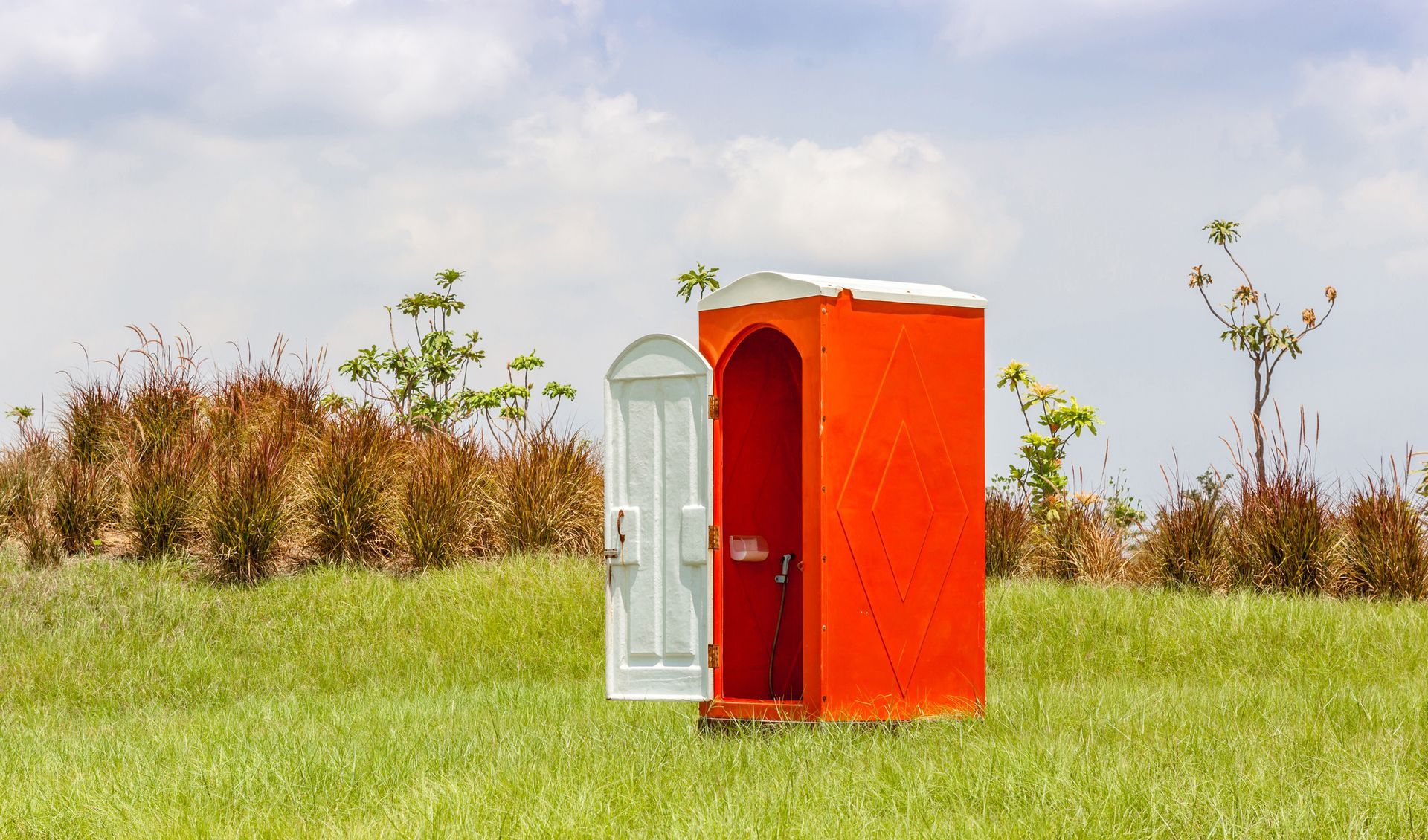
a red porta potty stands with door open in a backyard
By proadAccountId-347295 April 5, 2024
Let's explore whether you can indeed place a porta potty in your backyard and how we can assist you with your needs.
restroom
June 8, 2021
Why Companies Need Job Site Waste Removal Services
portable toilet
April 28, 2021
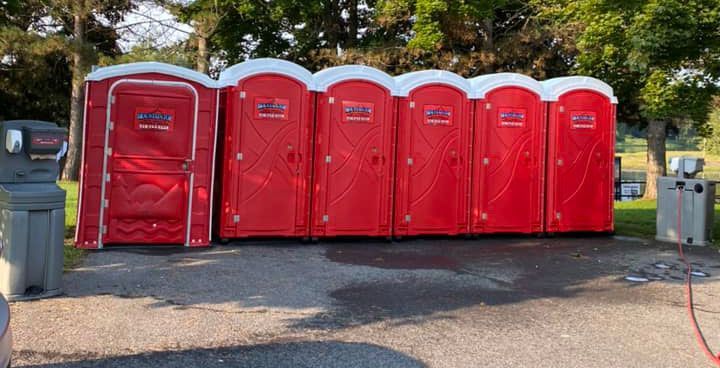
When you are planning an outdoor event or wedding, you may need portable toilet rentals. You'll want to have the right number of portable toilets because if you don't, it could result in long lines, unsanitary conditions, and unhappy guests. This could negatively impact your event. On one hand, if you overestimate, you will probably overspend and on the other hand, if you underestimate, you could be facing problems.
portable toilet
March 2, 2021
What You Need To Know About Portable Toilet Rentals
hand washing
May 8, 2020
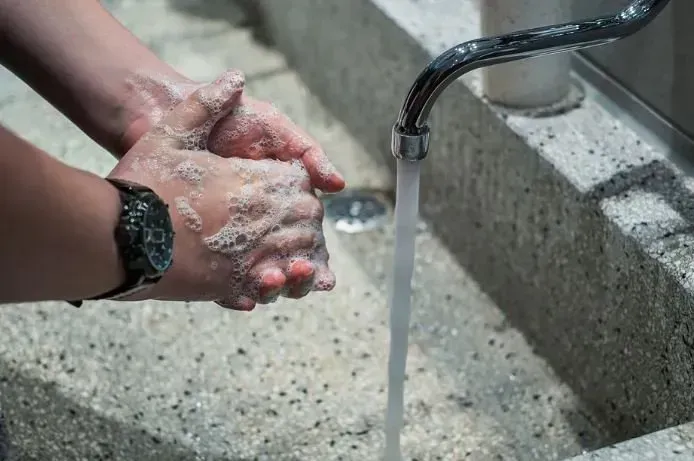
We are living in unprecedented times. The COVID-19 pandemic has swept across the globe, leaving change in its wake. Because the virus is so contagious, social distancing practices are still the most reliable way to prevent the spread. With no real end in sight yet, the rest of this year is going to look different than planned: collective events such as festivals and concerts are being cancelled or postponed, businesses are sending their employees to work from home, and others are temporarily shutting their doors. Here in New York State, essential services are still operating and adhering to CDC guidelines in order to keep employees and customers safe. COVID-19 Adds New Challenges to Old Practices While many of us are quarantined or working from home, essential workers such as construction workers, septic workers, technicians, and road maintenance crews are still hard at work. Job sites tend to use porta potties as a convenient way to adhere to legal restroom requirements; however, COVID-19 has added new challenges to old practices. While crews are implementing social distancing practices as necessary, it is not always possible to remain six feet away from coworkers. The CDC recommends washing your hands with soap and water for at least 20 seconds after using the restroom and before touching your face; however, porta potties don't always have that option. These challenges require project managers and workers to find creative fixes. Adapting Porta Potty Use to COVID-19 If you still have concerns about using portable toilets in the age of COVID-19, continue to adhere to best practices when you use one in the future. While adequate hand washing stations are not always on hand, making hand sanitizer available for anyone who must use a porta potty is imperative to slowing the spread of the virus. The CDC advises that alcohol-based sanitizers containing at least 60% alcohol are the next best thing to soap and water. Practice appropriate social distancing when waiting to use a porta potty; stand at least six feet away while someone else is using the facilities and be sure you clean your hands thoroughly after concluding your use. As always, avoid touching your face unless your hands are clean. If you are hosting a necessary event or managing a job site that requires porta potties, consider implementing new rules regarding their use - or bringing in more units or even restroom trailers to make it easier for workers to continue to keep their distance from one another. Regular professional cleaning will keep units safe for use, though it's important to note that the virus spreads most quickly from human to human rather than from touching surfaces. Above All Else, Remain Calm  Above all, it's vital to remain calm during this time. As we do our parts to flatten the curve, the rate of infection slows and we can slowly get the virus under control. Adhering to social distancing practices at all times, even when using porta potties, will continue to slow the spread of the virus. At Mountain Top Portable Toilets and Septic Service, we adhere to all CDC guidelines as we continue to provide essential services to the greater Albany, NY area. Reach out to us today to learn more about how we are adapting our services to the times.
Weddings & Receptions
April 7, 2020
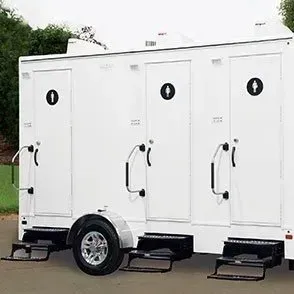
Restroom Trailers Can Be A Great Addition to Your Outdoor Wedding Reception
Excavation
April 6, 2020
What You Need to Know About Renting Portable Toilets for the Job Site
men working
December 11, 2019
Keep Your Septic System Working All Year Round!